

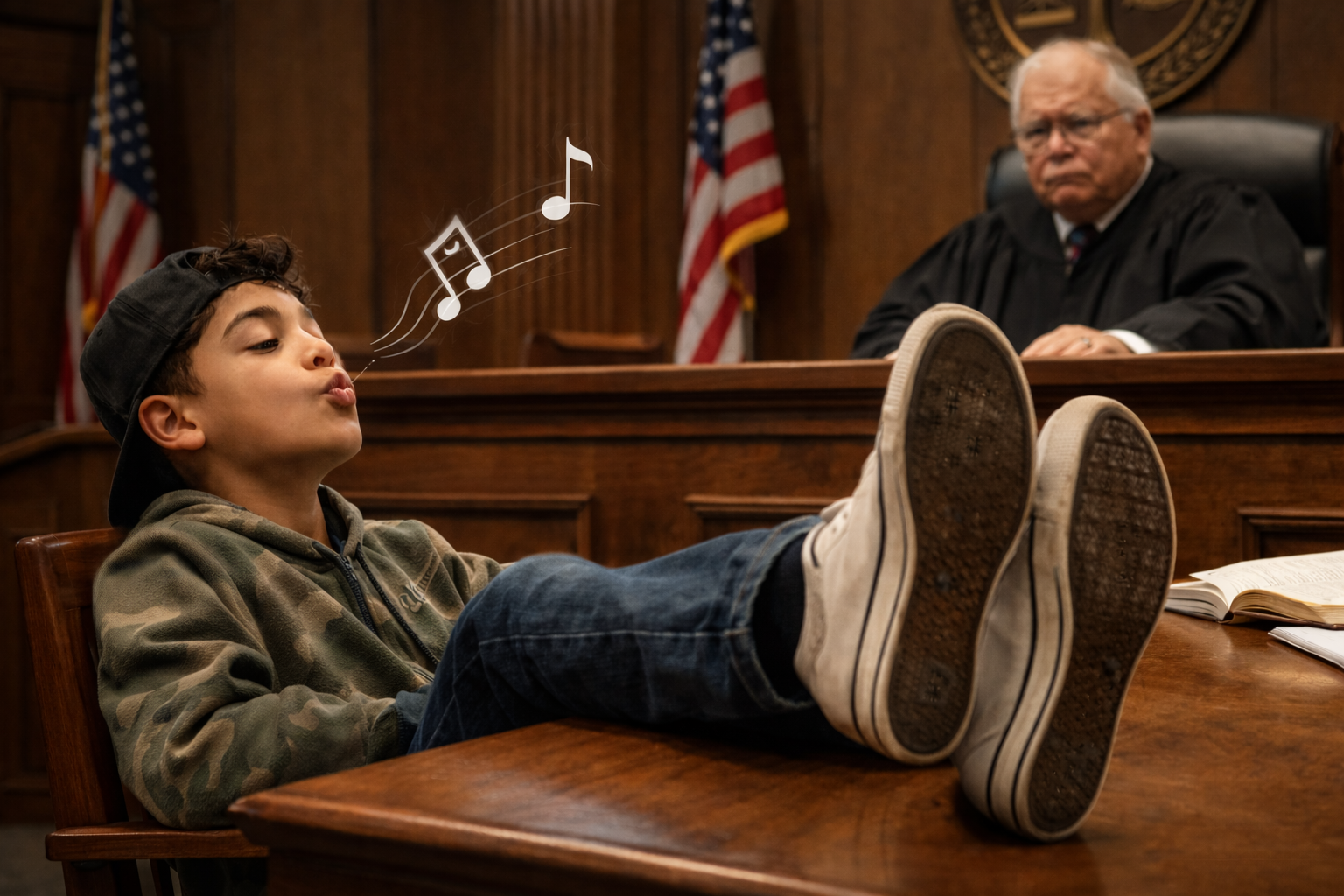
Maryland lawmakers in Annapolis have passed the so-called Youth Charging Reform Act (SB 323) and now stands before the Governor. But like many statewide policies, its real-world impact will be felt most clearly in places like the Eastern Shore.
At its core, the bill expands juvenile court jurisdiction, steering more young offenders—including those accused of serious crimes—away from adult court and into a system focused on rehabilitation. While that may sound like a compassionate reform on paper, it raises serious concerns for smaller, rural communities.
Here on Delmarva, we don’t have the luxury of large, layered public safety systems. Our law enforcement agencies are smaller. Our detention resources are limited. And when crime happens, it hits closer to home. Policies that reduce consequences for serious offenses don’t just stay in courtrooms—they ripple through entire communities.
The bill also limits detention options and further separates juveniles from adult facilities, narrowing the tools available to authorities handling dangerous situations. In theory, that’s about protecting youth. In practice, it may mean fewer options for keeping repeat or violent offenders off the streets.
Supporters say this is about second chances. And that’s a goal most people here would agree with. But second chances must be balanced with accountability. When that balance is lost, it’s law-abiding families—not policymakers—who bear the consequences.
Too often, legislation crafted in Annapolis reflects the priorities of larger urban areas, with little regard for how it plays out in rural regions like ours. The Eastern Shore is not Baltimore. What works in one does not automatically work in the other.
If Maryland is serious about justice reform, it must also be serious about public safety—for every community, not just the ones with the loudest voices.
Because on Delmarva, we understand something simple: Justice without accountability isn’t reform—it’s risk.
