

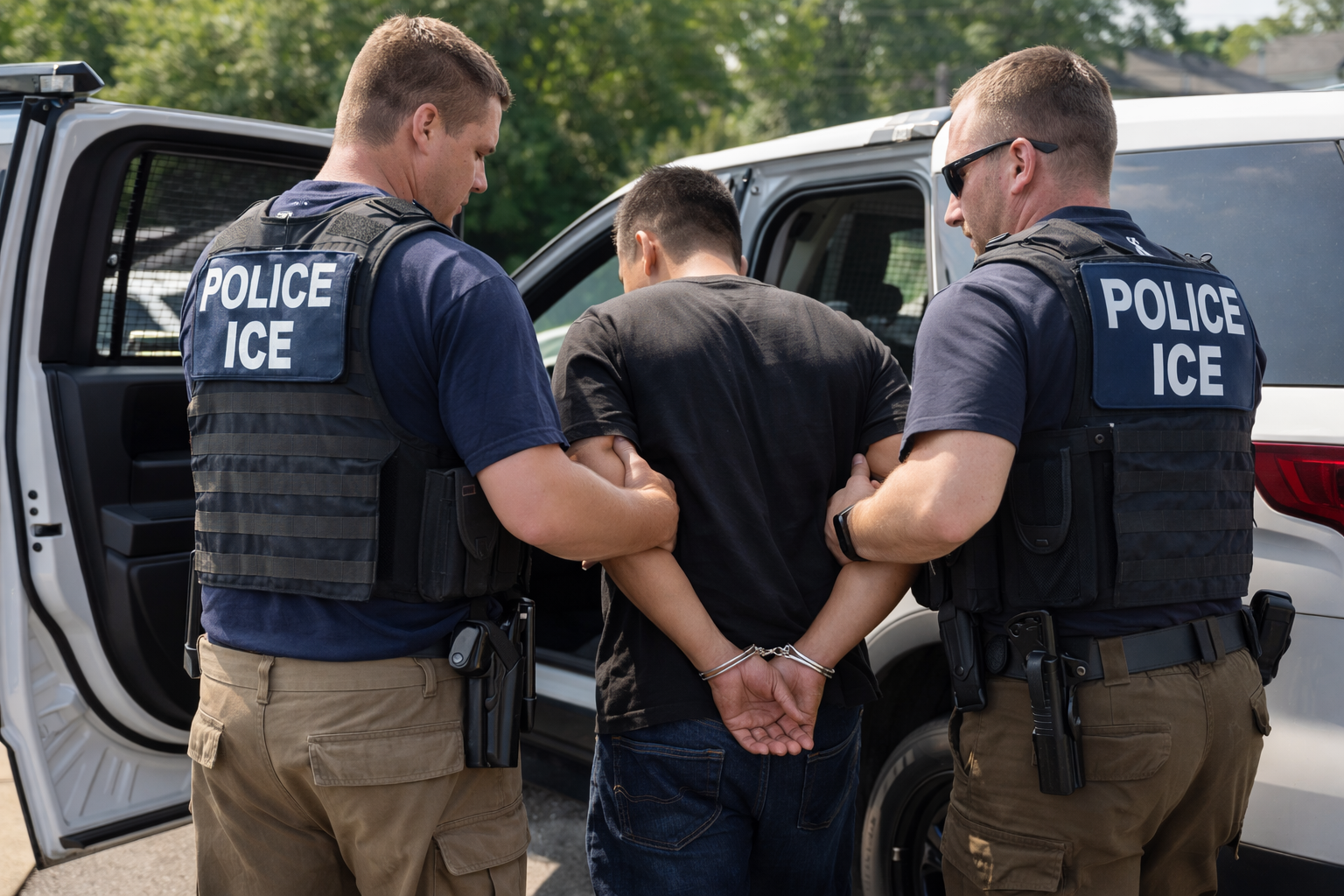
A federal appeals court has lifted restrictions on how U.S. Immigration and Customs Enforcement (ICE) officers may respond to protests in Minnesota, handing the Trump administration a significant legal win and restoring agents’ full enforcement authority during ongoing immigration operations.
On Monday, a three‑judge panel of the Eighth Circuit Court of Appeals put a hold on a district court injunction that had sharply limited ICE’s ability to arrest, detain, pepper‑spray, or otherwise act against protesters and observers unless agents had probable cause. The lower court issued that order earlier this year amid escalating demonstrations surrounding “Operation Metro Surge,” a multi‑agency immigration enforcement initiative in the Twin Cities.
The lawsuit was filed by six individuals who say federal agents violated their civil rights while they were protesting or observing ICE activity. After reviewing the same video evidence cited by the district court, the appeals panel said the footage showed a mix of peaceful and aggressive behavior by protesters, as well as varied responses by officers. The judges concluded the injunction was unlikely to survive appeal and should not remain in effect while the case proceeds.
A central concern for the court was the scope of the injunction. The panel said the order effectively operated as a nationwide or “universal” injunction by extending protections far beyond the six named plaintiffs to an undefined group of future protesters and observers. Federal courts, the judges wrote, lack authority to issue such sweeping relief, especially when alleged incidents involve different officers, locations, and circumstances.
The panel also criticized parts of the injunction as too vague, arguing that broad bans on “retaliation” or restrictions on vehicle stops could leave officers guessing about what actions might later be deemed unlawful in fast‑moving situations. The Eighth Circuit had temporarily suspended the injunction last week; Monday’s ruling keeps that suspension in place for the duration of the appeal, effectively restoring ICE’s discretion in the field.
U.S. Attorney General Pam Bondi praised the decision, accusing “liberal judges” of attempting to undermine federal law enforcement and endanger officers by limiting their ability to respond to what she described as violent agitators. She said the Justice Department challenged the injunction because it overstepped judicial authority, and the appeals court agreed.
The original injunction, issued January 16 by U.S. District Judge Kate Menendez, found that the plaintiffs were likely to succeed on claims that ICE agents violated their First and Fourth Amendment rights. Menendez cited incidents in which agents allegedly used pepper spray, pointed weapons, made arrests, and conducted traffic stops against individuals peacefully observing immigration enforcement activity.
The case now moves forward on an expedited schedule before the Eighth Circuit, which will ultimately decide whether the injunction should be reinstated or permanently struck down.
Ronald Pittore, Staff Writer
