

The proposal, submitted by the Department of Housing and Community Development, represents one of the most sweeping state interventions in local zoning authority in recent years.
What the Bill Targets
The bill focuses on local zoning rules that often restrict the size, type, and placement of single‑family homes. It applies to counties, municipalities, and planning bodies—including the Maryland‑National Capital Park and Planning Commission—except in a few specific circumstances.
The legislation defines key terms such as “single‑family home,” “town house,” “improved lot,” and “area zoned for single‑family residential use,” ensuring that both detached homes and townhouses fall under its protections.
Key Restrictions on Local Zoning Powers
1. Minimum Lot Sizes
Local governments may not require lots larger than 5,000 square feet for single‑family homes in areas connected.
This is a significant shift for jurisdictions where minimum lot sizes often range from 7,500 to 20,000 square feet or more.
2. No Minimum House Size Requirements
Localities would be prohibited from setting:
- minimum square footage for homes
- minimum exterior dimensions
This opens the door to smaller “starter homes,” cottages, and other modestly sized dwellings.
3. Limits on Setbacks and Lot Coverage Rules
The bill caps how far local governments can go with setback and coverage requirements:
- Front and rear setbacks: no more than 10 feet
- Side setbacks: no more than 5 feet
- Lot coverage maximums: cannot be imposed on single‑family homes or accessory structures
These limits would allow more flexible site design and denser use of existing lots.
4. No Architectural or Design Mandates
Local governments would no longer be allowed to impose:
- architectural style requirements
- aesthetic design standards
- exterior material mandates
This provision is intended to reduce costs associated with design‑based zoning.
Townhouses Allowed in Single‑Family Zones
One of the most consequential provisions: Local jurisdictions may not prohibit townhouses in areas zoned for single‑family residential use.
This effectively legalizes “missing middle” housing in neighborhoods where only detached homes are currently allowed.
Subdivision Flexibility for Homeowners
The bill also gives homeowners new rights:
- Owners of an improved lot in a single‑family zone may subdivide their property into up to three smaller lots, as long as the new lots comply with local subdivision rules.
- This right does not apply if the lot was itself created by subdivision within the last three years.
This could enable homeowners to create additional buildable lots for family members, small developers, or sale.
Where the Bill Does Not Apply
The legislation exempts:
- Historic districts designated before July 1, 2025
- Agricultural land
- Conservation property
These areas retain their existing zoning protections.
What the Bill Does Not Override
The bill explicitly preserves:
- building codes
- fire codes
- public health and safety regulations
- any conflicting state or federal laws
Its reach is limited to zoning and land‑use controls, not safety standards.
Applicability to Charter Counties and Baltimore City
The bill amends existing sections of Maryland’s Land Use Article to ensure that the new zoning limitations apply to:
- charter counties (including Montgomery, Prince George’s, and Wicomico)
- Baltimore City
This is notable because these jurisdictions often have broader home‑rule authority.
When Would It Take Effect?
If enacted, the Starter and Silver Homes Act would take effect October 1, 2026.
Why Do State Legislators Want to Do This?
Maryland, like much of the country, faces a severe housing shortage. Supporters argue that restrictive zoning—especially large minimum lot sizes and bans on townhouses—has limited the supply of affordable homes for first‑time buyers (“starter homes”) and older adults seeking to downsize (“silver homes”).
By setting statewide standards, the bill aims to:
- increase housing supply
- reduce construction costs
- diversify housing types
- promote walkable, infill development in serviced areas
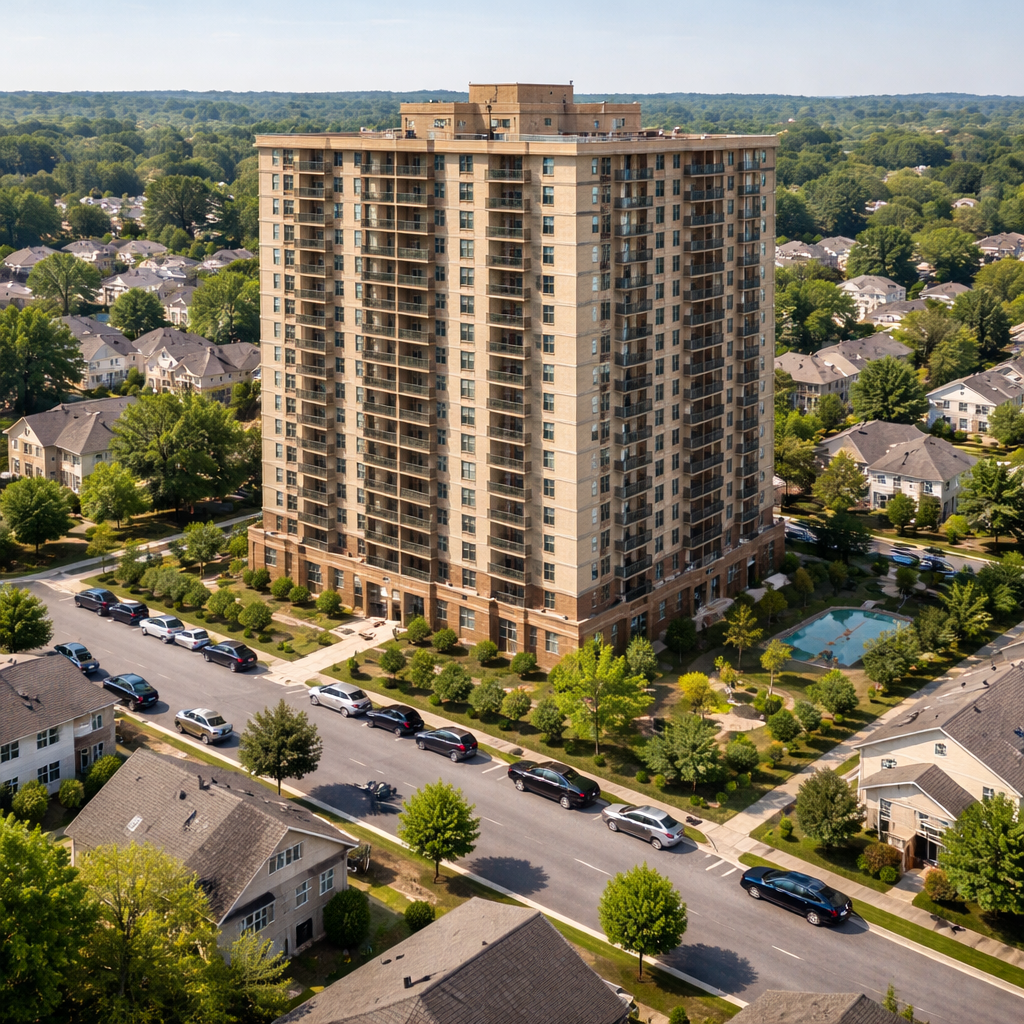
Opponents may raise concerns about local control, infrastructure capacity, and neighborhood character resulting in smaller lot sizes, more congestion, and mix-match homes that don’t esthetically match. For example, a Section 8 tower could be constructed in the middle of an upscale residential neighborhood, a mobile home can be placed anywhere, including bungalows, cottages, sheds, or even tents. It steamrolls zoning codes to dismantle the stigma of social classes. This will result in devalued homes and properties through societal depression, thus making housing more affordable.
Jack Miller, Staff Writer
